
Pakistan is once again at a critical juncture, facing overlapping crises that endangers both internal stability and its regional standing. The country’s political landscape is becoming increasingly unstable from mass protests in Azad Kashmir to intense pressure on opposition parties.
Rising Unrest in Azad Kashmir: A Flashpoint for Discontent
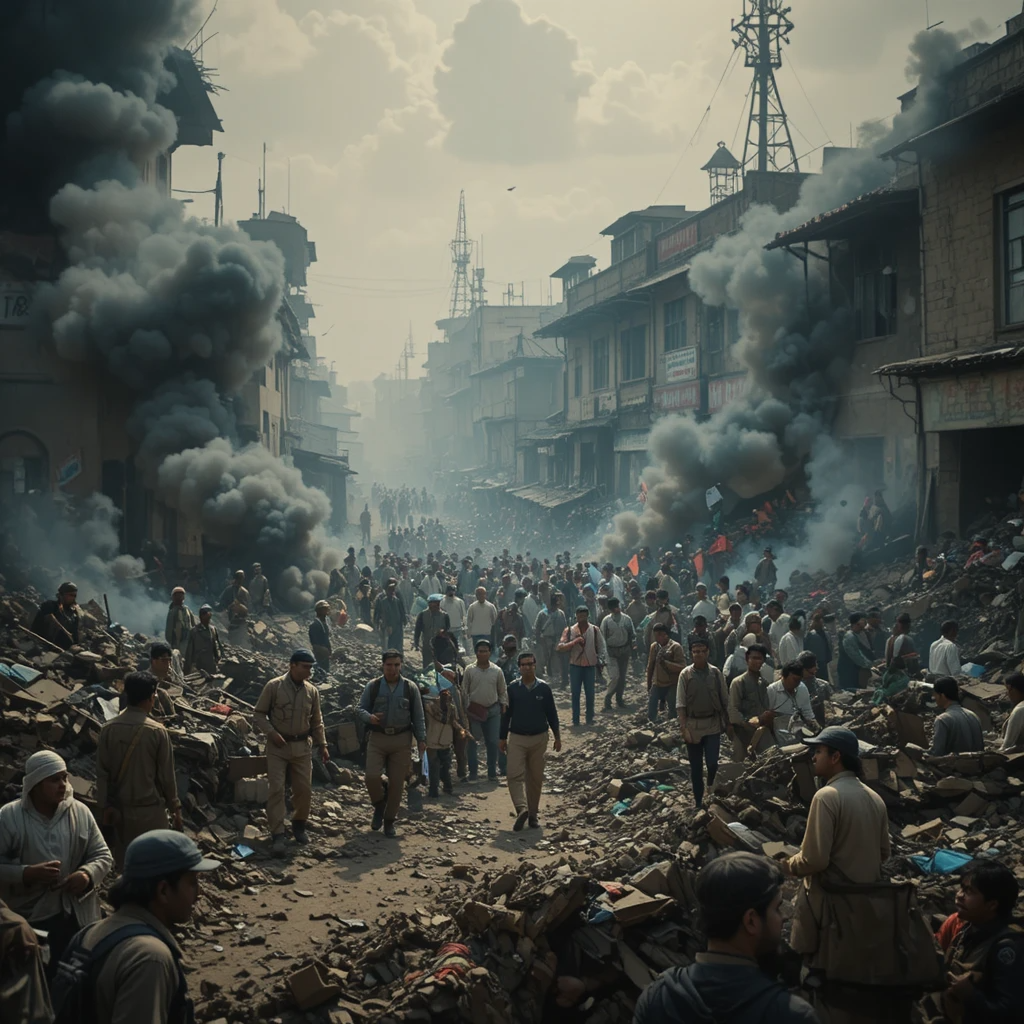
The spark for the current confusion is the mass mobilisation in Azad Jammu & Kashmir (AJK), where the Jammu Kashmir Joint Awami Action Committee (JKJAAC) has launched a shutter-down strike and wheel-jam protest campaign which is starting on 29 September 2025. Wikipedia+1. Protesters are demanding sweeping reforms—from eliminating “elite privileges” and reserved seats to expanded public services and accountability mechanisms.
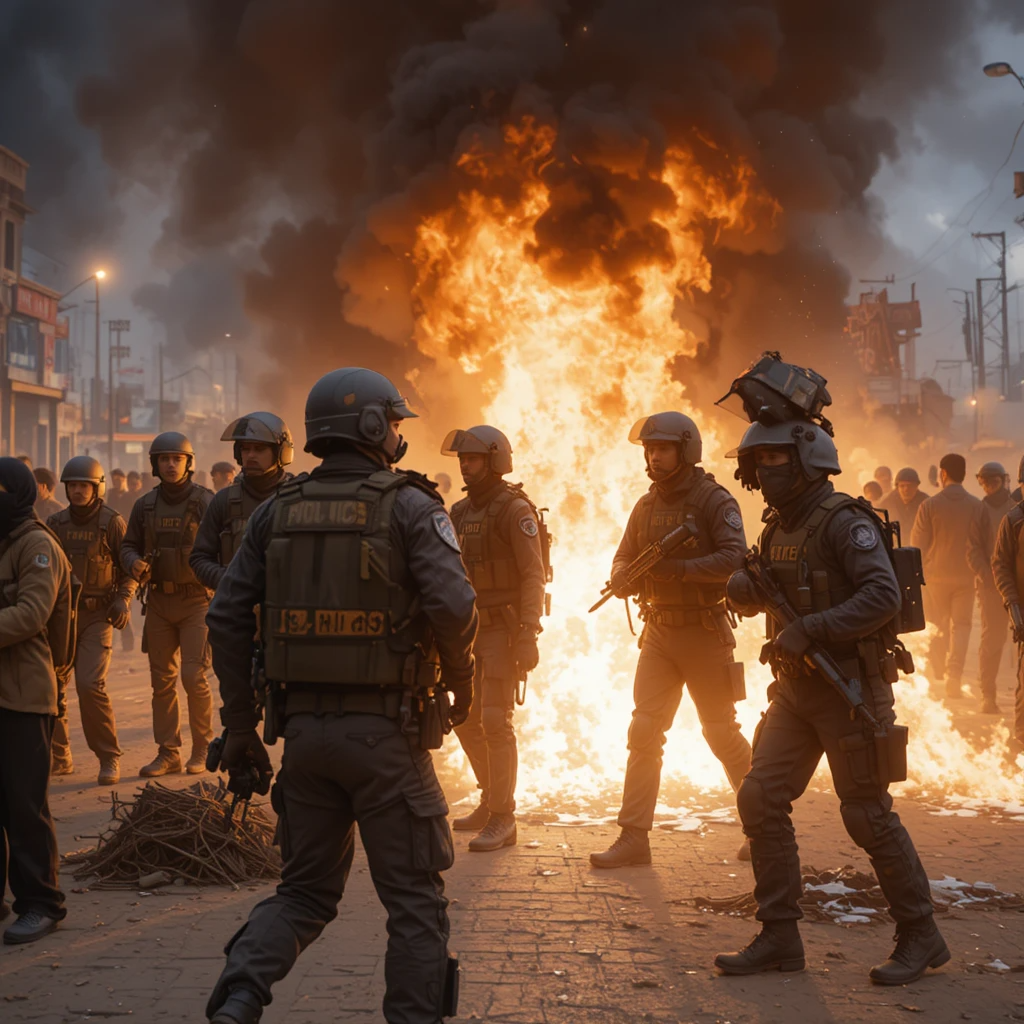
Violent clashes have exploded in Muzaffarabad and elsewhere. Security forces and protesters have already suffered casualties.Three police officers and one civilian were killed in the initial altercation, according to official sources, although protest leaders assert even higher numbers. Estimates of the total number of fatalities in the area vary, but they point to nine fatalities and well over 100 injuries.
In response, the government obligated a communication blackout that cuts all the access to mobile and internet services. Rights groups have strongly criticized this move, calling it a violation of the right to protest and expression. Amnesty International has demanded a halt to excessive force and a transparent investigation into all incidents.
Authorities claim they have accepted around 90% of the JKJAAC’s demands, but protest leaders dispute that the concessions are sufficient, and they have refused to stand down.
Political Crackdowns & the Weakening of Opposition
Meanwhile, the federal political scene has been provoked by heightened pressure on opposition forces, especially the Pakistan Tehreek-e-Insaf (PTI).An anti-terrorism court recently sentenced 108 opposition figures, including senior PTI leaders, to 10 years imprisonment for their alleged involvement in earlier protests targeting military installations.
These verdicts have been widely condemned as being politically motivated—intended to cripple the opposition ahead of any possible resurgence. PTI has threatened boycotts of state institutions and plans for renewed street agitation.
The crackdown is a representative of deeper tensions between the military-civilian balance of power in Pakistan. Observers accuse the military establishment, led by Chief of Army Staff Asim Munir, of employing state machinery to erode democratic competition and assert dominance over civilian governance.
PTI and PML-N government also fell apart by the past attempts at dialogue between them. Multiple rounds of negotiations over judicial commissions, political prisoners, and election reforms ended in failure between December 2024 and January 2025.
Security Challenges: Insurgency, Extremism, and External Pressure
Adding further strain, Pakistan continues to grapple with violent insurgency in Balochistan and a resurgent Tehrik-e-Taliban Pakistan (TTP). The March 2025 Jaffar Express hijacking was a stark reminder of the Baloch insurgency’s reach, and protests in Balochistan remain ongoing over enforced disappearances and human rights abuses.
In the northwest, the government’s long miscalculation toward the TTP is now backfiring, with repeated attacks on security forces and civilian targets. Al Jazeera
Meanwhile, Pakistan’s external relations remain fraught. The 2025 India–Pakistan crisis reignited tensions after deadly militant attacks in Kashmir, reciprocal missile strikes, and cross-border conflicts. Wikipedia Some analysts see the foreign front as a lever used by Pakistan’s security establishment to rally nationalist sentiment as domestic discontent grows.
What Lies Ahead
Pakistan’s political crisis now straddles multiple domains:
- Legitimacy & governance: If mass protests continue and the opposition is severely weakened, the appearance of political legitimacy will suffer severely.
- Security & stability: Prolonged insurgent violence and weak civilian control over the security apparatus risk spiraling into regional hotspots.
- Civil rights: The use of communication blackouts and force against demonstrators sets dangerous precedents for repression.
- Economic risk: Political instability will deter foreign investment and further strain Pakistan’s fragile economy.
For now, calls for dialogue and restrained use of force must be heeded. The government and opposition alike face a moment of decision: whether to engage seriously in reforms or to double down on coercion. Either way, Pakistan’s democratic future is at stake.
online thc dispensary with premium edibles