
Your Daily Lens on the World.
We offer the immediate vision you need to stay ahead.Our mission is simple: to frame the news so you see the complete story, not just the headlines.

The News vision Briefing Essential Insight.
Deep, original research into important topics.
Pakistan
Pakistan’s news landscape is shaped by its economy, security challenges, and debates over digital freedom. Security updates, particularly in border areas, require careful reporting that also considers humanitarian consequences. The country’s digital policies are another key area. Proposed cyber crime laws spark debates about freedom of expression, with activists and journalists raising concerns over censorship.


Sports
The world of sports is no longer just about wins and losses. Modern coverage must explore the strategies, analytics, and personal stories that shape every match. From contract disputes to the role of technology in training and recovery, today’s sports journalism dives deeper into the forces that build champions and dynasties.Sports also carry a powerful cultural and social influence.The story becomes bigger than the game itself. Exploring these connections—fan culture, ticket pricing, and the ethical roles of public figures—keeps sports news relevant for everyone, from casual readers to die-hard fans.
Health
Maintaining good health is fundamental to leading a productive and fulfilling life, a truth profoundly relevant in Pakistan’s diverse societal landscape. From bustling urban center like Karachi and Lahore to rural communities, access to quality healthcare remains a critical need. Pakistan faces pressing health challenges including infectious diseases like dengue and tuberculosis, alongside rising non-communicable diseases such as diabetes and cardiovascular conditions. Efforts to enhance maternal and child health, promote vaccination drives and address malnutrition underscore the importance of robust healthcare systems. Embracing preventive measures – balanced nutrition, regular physical activity, and awareness – empowers individuals to safeguard their well-being.

Technology
Technology has become the backbone of our modern lives, transforming how we live, work, communicate, and learn. From smartphones and computers to artificial intelligence and robotics, technological innovations have made tasks faster, easier, and more efficient. In Pakistan, digital platforms are enhancing education through e-learning apps and online resources, while healthcare has seen advancements like wearable health devices. Communication has bridged geographical gaps with instant messaging, video calls, and social media, connecting people globally. Businesses leverage technology for automation, data analytics, and digital marketing, boosting productivity. However, responsible tech use is crucial to address challenges like cyber security threats, digital addiction, and privacy concerns.
Entertainment
Entertainment is a universal language that transcends borders, captivating audiences worldwide with diverse forms of expression. From Hollywood blockbusters in the United States to Bollywood spectacles in India, and K-dramas from South Korea captivating global viewers, storytelling knows no bounds. Music genres like pop, rock, hip-hop, and classical resonate across cultures – think Taylor Swift’s global hits or the enduring appeal of Beethoven’s compositions. Digital platforms like Netflix, YouTube, and TikTok have revolutionized content consumption, enabling creators to reach international fans instantly. Festivals like Carnival in Brazil, Diwali in India, and Oktoberfest in Germany showcase cultural richness. Whether through movies, games, live performances, or virtual experiences, entertainment continues to unite people globally, reflecting shared emotions and creativity.

World
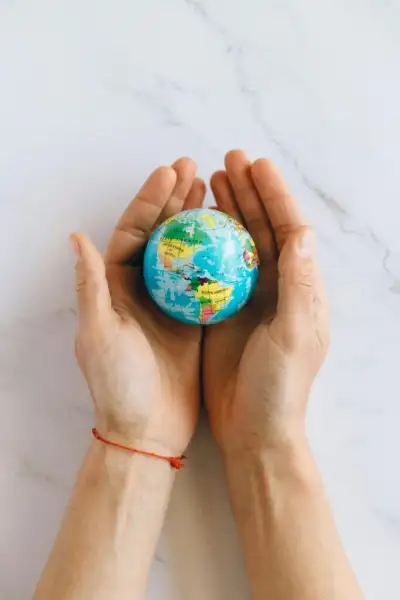
The world is a diverse and interconnected place, home to over 8 billion people living across seven continents and more than 190 countries. It features a wide range of climates, cultures, languages, and landscapes — from the icy Arctic to the tropical rainforests of the Amazon, and from high-tech urban cities to remote mountain villages. With rapid advancements in technology, communication, and transportation, the world has become more connected than ever before, making global cooperation and understanding increasingly important for peace, progress, and sustainability. At the same time, challenges such as climate change, poverty, and conflict remind us of the importance of unity and cooperation. As we look to the future, the world stands at a crossroads—balancing innovation and tradition, growth and sustainability, while striving to create a peaceful and prosperous home for all.
Crime
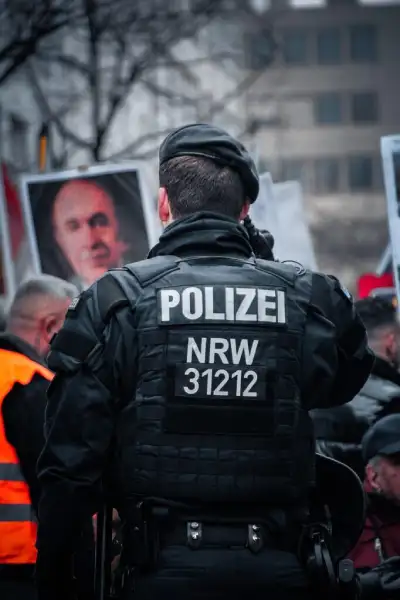
Crime is a major social issue affecting communities worldwide. It involves actions that violate legal codes, such as theft, assault, drug trafficking, and murder. These offenses disrupt peace, threaten safety, and damage trust within society. Crimes are often driven by factors like poverty, unemployment, addiction, and lack of education. In some areas, weak law enforcement or corruption makes the problem worse. Technology has also given rise to new forms of crime, such as cybercrime, online fraud, and identity theft. Governments use laws, police, courts, and rehabilitation programs to control crime and punish offenders. However, long-term crime reduction also depends on improving social conditions—like creating jobs, supporting families, and investing in education and mental health. A safer society is built not just by fear of punishment, but by addressing the root causes of crime.

Fashion
Fashion is a dynamic form of self-expression that evolves with time, culture, and individual taste. It goes beyond clothing to include accessories, hairstyles, makeup, and even body language. Throughout history, fashion has reflected the values, traditions, and innovations of society — from royal gowns in ancient kingdoms to modern streetwear in urban cities. Today, fashion is heavily influenced by celebrities, social media, designers, and global events. Runways, magazines, and influencers often set trends that quickly spread around the world.
Fake News
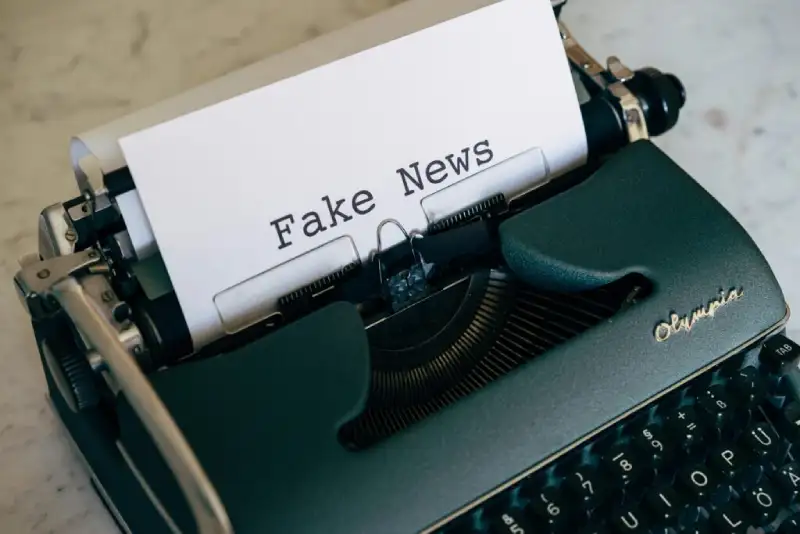
Fake news is deliberately false or misleading information presented as real news, often with the aim of confusing, influencing, or manipulating public opinion. It spreads rapidly through social media, websites, and even messaging apps because people often share information without verifying its accuracy. Fake news can target politics, religion, health, or celebrities and is usually designed to provoke emotions like fear, anger, or excitement.

Interesting News
Fake news is deliberately false or misleading information presented as real news, often with the aim of confusing, influencing, or manipulating public opinion. It spreads rapidly through social media, websites, and even messaging apps because people often share information without verifying its accuracy. Fake news can target politics, religion, health, or celebrities and is usually designed to provoke emotions like fear, anger, or excitement.
In recent years, fake news has been linked to major problems like election interference, public panic, and the spread of harmful health advice—especially during the COVID-19 pandemic. Some creators of fake news profit from increased website traffic, while others push certain agendas or ideologies. The danger lies in how easily people can be misled, which can damage trust in real journalism.