
Prioritizing Health, Hygiene, and Self-Nurturing
Menstruation is a natural and essential part of a woman’s reproductive life. For a female, it is
a routine monthly event managing your period requires specific attention to hygiene, comfort,
and overall well-being to stay healthy and comfortable. You can protect yourself from
infections and navigate your cycle feeling balanced and empowered by adopting the right
practices.
This article will help you walk through the essential steps for maintaining good hygiene and
practicing meaningful self-care during your period.
Mastering Menstrual Hygiene: Your First Line of Defense
Good hygiene is the foundation of healthy menstruation. The presence of blood creates a
suitable environment for bacteria and fungi to multiply, which can lead to discomfort, odor,
and infections like yeast infections or bacterial vaginosis.

Choosing and Changing Your Menstrual Product
The most crucial step is regularly changing your menstrual product. The frequency depends
on your product of choice and the heaviness of your flow. No matter how light your flow is,
never keep a product on for too long.. UNICEF
Sanitary Pads and Liners:
Change every 4 to 6 hours. If your flow is heavy, change them often. Wearing pads for too
long can cause bad odour, rashes, and irritation.
Tampons
Change every 4 to 8 hours. Leaving a tampon in for more than eight hours increases the risk
of a very rare but serious condition of Toxic Shock Syndrome (TSS). Always use the lowest
absorbency necessary for your flow.
Menstrual Cups
Empty and clean your cup every 8 to 12 hours. Cups are a safe and sustainable option, but
proper cleaning (washing with mild soap and water, and sterilizing between cycles) is
necessary for maintaining good hygiene.
Period Underwear: Change whenever they feel damp or soaked, usually every 8 to 12
hours, depending on the brand’s absorbency and your flow.
The Correct Way to Cleanse Your Body
Your genital area requires gentle and specific care, especially during menstruation. The
vagina has a naturally acidic pH balance that protects it from harmful bacteria. The vagina is
a self-cleaning organ, and Harsh cleansing can disrupt its pH balance.
Wash Gently
Use only plain, warm water to rinse your vulva (the outer part of your genitals) every day, or
twice a day if your flow is heavy.
Avoid Harsh Products
Do not use scented soaps, body washes, feminine washes, or deodorants directly on the
vulva or inside the vagina. These chemicals and fragrances can irritate sensitive skin, cause
itching, and increase the rate of infections.
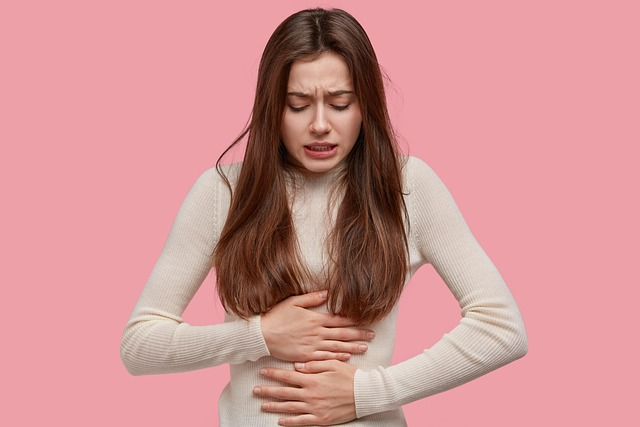
The Right Direction
While cleaning or wiping the vagina, always move from front to back (vagina to anus). This
prevents bacteria from the anus from entering the vagina or urinary tract, which is a common
cause of urinary tract infections (UTIs).
Hand Hygiene
Always wash your hands with soap and water for at least 20 seconds before and after
changing any menstrual product.
Product Selection and Disposal
Be mindful and careful of the products you choose and how you dispose of them.
Opt for Unscented
Choose unscented pads, tampons, and toilet paper. Scented products are often irritating to
the skin of some people.
Breathable Clothing
Wear clean underwear made of breathable fabrics like cotton. Tight-fitting clothing (like
synthetic leggings or very tight jeans) can trap moisture and heat, creating a breeding
ground for bacteria and discomfort.
Proper Disposal
Always wrap used pads and tampons securely in toilet paper or their wrappers and dispose
of them in a covered trash bin. Never flush them directly in the flush as this can cause
plumbing issues and environmental harm.
Nurturing Your Body: Essential Self-Care
Menstruation isn’t just a physical event; it’s a time of hormonal shifts that can affect your
mood, energy, and comfort levels. Practicing self-care is vital for managing these symptoms
and maintaining your mental well-being.
Staying Hydrated and Fueling Your Body
What a female eats during her period plays an important role in how she feels during her
period.
Drink Plenty of Water
Hydration is key! Drinking 8 to 10 glasses of water a day helps to minimize common period
symptoms like bloating, fatigue, and headaches. It also helps flush out your urinary tract,
which can aid in preventing infections.
Eat Nutrient-Rich Foods
Focus on a balanced diet that should be rich in:
Fiber:
Whole grains, fruits, and vegetables can help with digestion
and reduce bloating.
Iron:
Your body loses iron during bleeding. Replenish it with lean
meats, leafy green vegetables (like spinach), beans, and fortified cereals
to combat fatigue and low energy.
Magnesium and Calcium:
Foods like dark chocolate, nuts, and dairy
products can help reduce menstrual cramps and mood swings.
Limit Inflammatory Foods
Try to cut back on excessive salt (which worsens bloating), sugar, and caffeine and alcohol
(which can intensify mood swings, irritability, and cramps).
Managing Pain and Physical Discomfort
Cramps, backache, and general discomfort are common, but there are simple ways to find
relief.
Heat Therapy
Applying a heating pad or a warm water bottle to your lower abdomen or back is one of the
most effective ways to relax your uterine muscles, improve blood flow, and relieve cramps. A
warm bath or shower can also be incredibly soothing.
Over-the-Counter Pain Relief
Non-prescription pain relievers like ibuprofen (e.g., Advil, Motrin) or naproxen (e.g., Aleve)
can be very effective. It is often most helpful to start taking the recommended dose when
your symptoms first begin, or even a day before your period starts if your cycle is
predictable.
Gentle Movement
While you might not feel like doing an intense workout, light exercise is highly beneficial.
Low-impact activities like walking, gentle stretching, Pilates, or yoga can boost your mood,
stimulate the release of natural pain-relieving endorphins, and improve circulation. Listen to
your body and don’t push yourself too hard.
Prioritizing Rest and Emotional Wellness
Your emotional and mental health often needs extra attention during your period due to
fluctuating hormones.
Get Enough Sleep
Prioritize a consistent sleep schedule, aiming for 7-8 hours of quality rest per night. A
calming bedtime routine—such as reading, journaling, or listening to soft music—can help
your body wind down.
Practice Relaxation
Engage in activities that calm your nervous system and reduce stress, such as deep
breathing exercises, meditation, or light massage. Essential oils like Clary Sage can also be
soothing when diluted and applied to the skin.
Tune In to Your Needs
This is a time to be kind to yourself. If you need a moment alone, take it. If you have specific
cravings, indulge in moderation. Connect with loved ones or focus on a creative project. The
goal is to acknowledge your emotional state without judgment and give your body what it
needs, whether it’s rest or light activity.
Track Your Cycle
Keep a diary or use an app to track when your period starts, how long it lasts, and the types
of symptoms (both physical and emotional) you experience. This information is invaluable for
predicting your needs and helping a healthcare provider understand your cycle if an issue
arises.
3. Recognizing When to Seek Medical Advice
While most period symptoms are normal, it’s important to know the signs at which you need
a healthcare provider. Menstruation is an important marker of your overall health, and
irregularities can indicate underlying issues.
Consult a doctor if you experience:
Irregular Cycles
Periods that are suddenly much earlier or later than usual, or if you completely miss a
period (and are not pregnant).
Heavy or Prolonged Bleeding
If you are soaking through a pad or tampon every hour for several hours, or if your period
lasts longer than seven days.
Severe Pain
Menstrual cramps that are so severe and prevent you from performing daily activities, or
pain that is not relieved by over-the-counter medication. Then you should consult a doctor.
Unusual Discharge or Odor
Any strong, foul, or fishy odor, or discharge that is unusually thick, yellowish, or greenish,
could be a sign of infection.
Signs of Infection
Symptoms like a high fever, sudden rash, vomiting, or dizziness, especially if you are using
a tampon, could be signs of TSS.
By prioritizing these hygiene practices and self-care strategies, you can ensure your period
is managed with comfort, dignity, and optimal health. Taking care of yourself during this time
is not a luxury, but it is a necessary component of your complete well-being.